Purebond Peptides
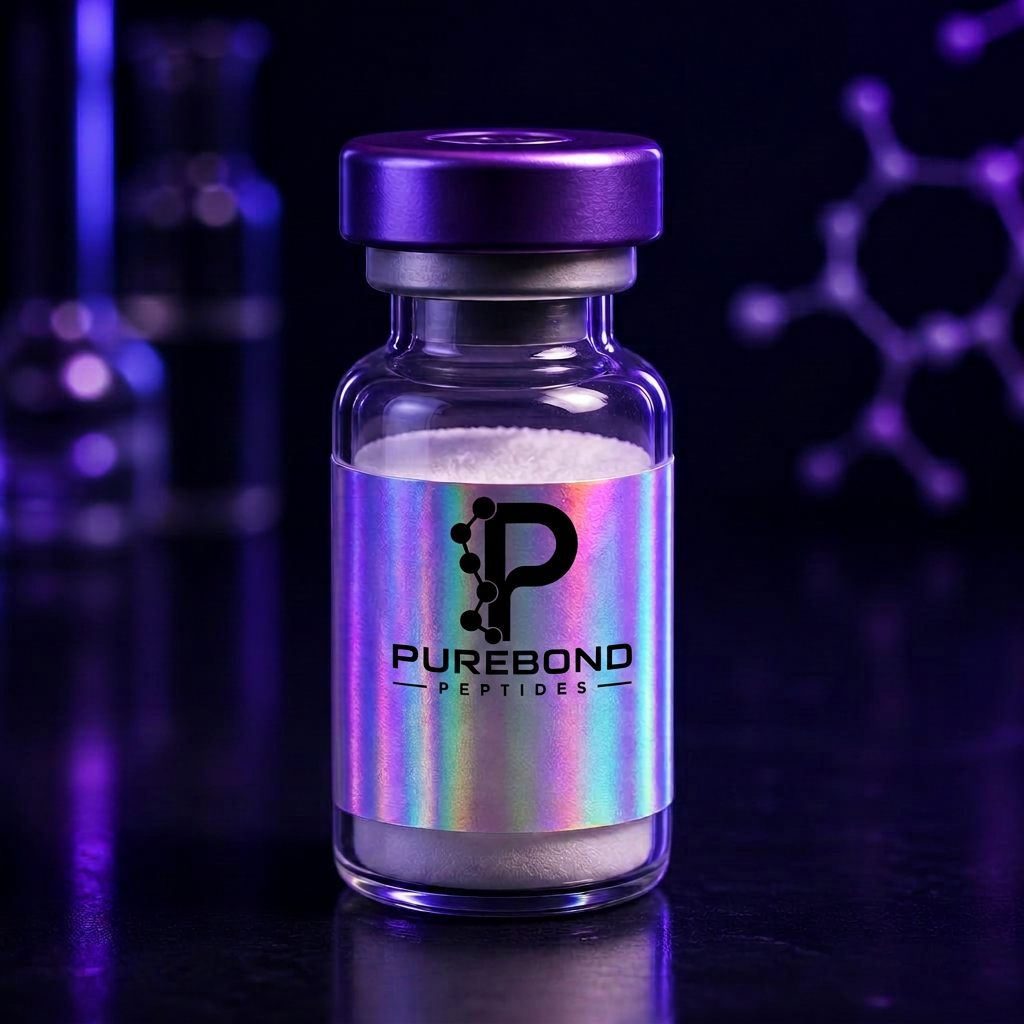
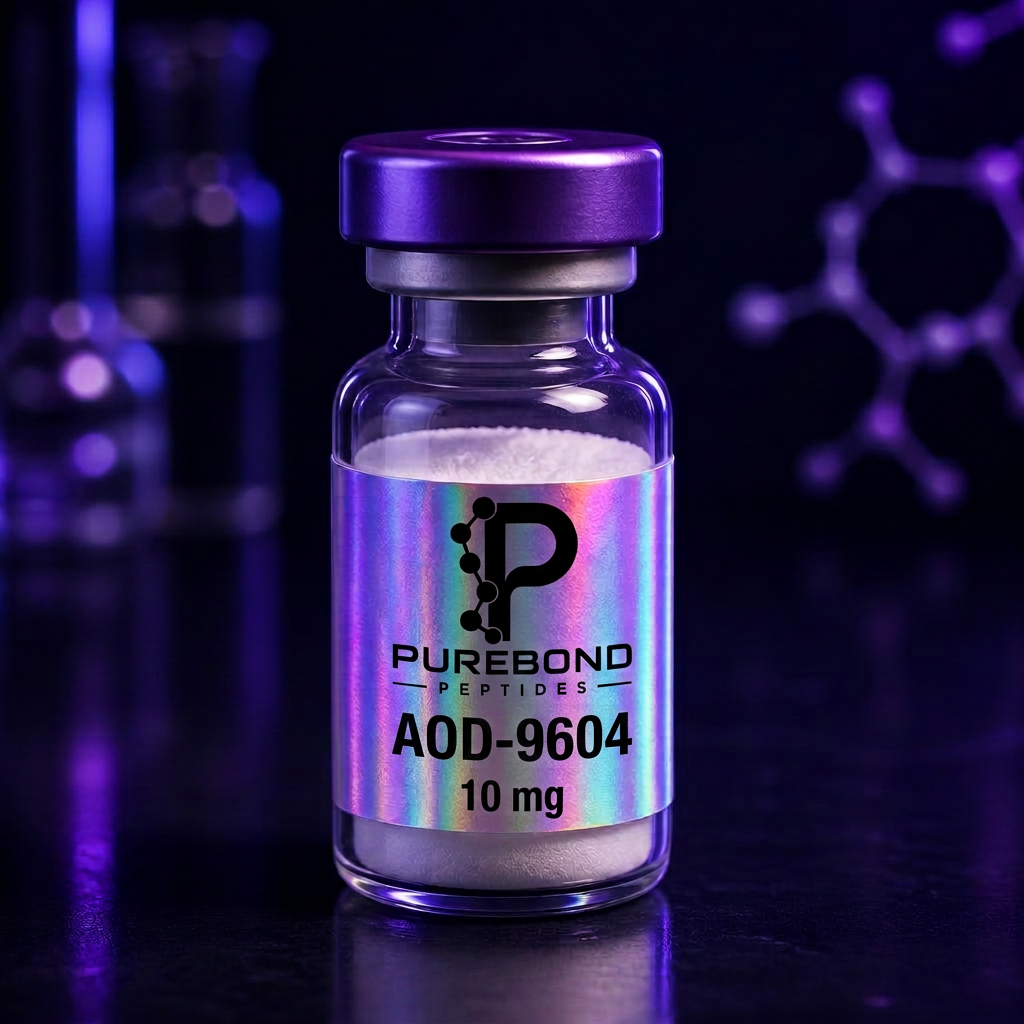
AOD-9604 5 mg
$69.95
Total for 1: $69.95
Buy 5–9 units: 10% off · 10+ units: 15% offFeatures & Research Benefits
- Fragment (176-191) of human growth hormone studied for lipolysis
- Investigated without effect on IGF-1 or blood glucose in models
- Explored for adipose tissue metabolism research
- Studied for cartilage and joint repair pathways
Our Commitment to Quality
Our commitment to quality ensures that researchers receive a product capable of delivering accurate and consistent results, backed by dependable service and competitive value.
- Exceeds 99% Purity: Analyzed via High-Performance Liquid Chromatography (HPLC) and Mass Spectrometry to verify the absence of impurities and ensure synthesis accuracy.
- Verified Structural Integrity: Precise chemical analysis ensures the compound matches the exact profile required for your research protocols.
- Stable Formulation: Supplied in a stable laboratory form to ensure long-term shelf life and ease of reconstitution in laboratory solvents.
- Quality Assurance Guarantee: Every batch undergoes rigorous testing. We prioritize transparency and trust, providing researchers with reliable compounds for their data collection.
- Dedicated Support: Our team provides exceptional customer service, available to assist with technical inquiries regarding handling and storage.
Technical Specifications
Reference chemical data for experimental design with AOD-9604:
- Physical Appearance
- White to off-white lyophilized powder
- Solubility
- Soluble in bacteriostatic water; DMSO or standard laboratory solvents
- Purity
- ≥ 99.0% (HPLC)
- Storage
- Store at -20°C. Desiccate and protect from light.
- Chemical Name
- hGH Fragment 176-191 (Tyr)
- Formula
- C78H123N23O23S2
- Molecular Weight
- ~1815.1 g/mol
- CAS Number
- 221231-10-3
Compliance & Safety Disclaimer
CRITICAL WARNING: FOR RESEARCH USE ONLY.
This product is strictly intended for laboratory research and development purposes. It is not a drug, food, or cosmetic and is not approved for human consumption, veterinary use, or diagnostic procedures.
The chemical, physical, and toxicological properties of this material have not been fully investigated. It should be handled only by qualified individuals trained in laboratory procedures and familiar with the potential hazards of chemicals. All research must be conducted in compliance with applicable local, state, and federal regulations.
Other products